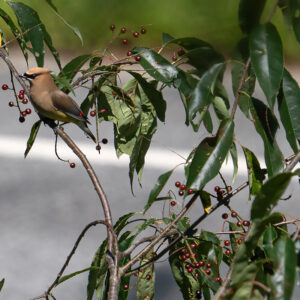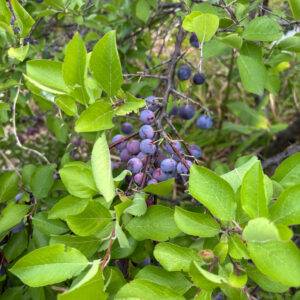
,

elderberry (sambucus canadensis)

Price range: $30.00 through $50.00

a bundle of 10 wild type year seedlings for $50

or bundle of generous cuttings (wyldewood or marge cultivar, or wild-type genetics) for $30.

american elderberry (*sambucus canadensis*) is a vigorous native fruiting shrub producing broad clusters of fragrant white flowers followed by heavy crops of dark purple-black berries. the fruit has a rich, winey elderberry flavor and is excellent cooked into syrups, preserves, pies, sauces, and fermented drinks.

a wetland-edge and floodplain species native across much of eastern north america, elderberry grows rapidly in rich, moist soils but adapts readily to ordinary garden conditions. flowers support a wide range of insects, while the abundant fruit is valuable to birds and people alike.

we offer both genetically diverse seedlings and vegetatively propagated plants from selected fruiting cultivars. seedlings are excellent for wildlife plantings, hedgerows, restoration, breeding, and inexpensive mass planting; cultivar cuttings provide known genetics for growers primarily interested in fruit production.

wyldewood — one of the most robust american elders we know of. if let grown to their full size, these shrubs will become much wider than other varieties. and while the individual fruits are small, they are very high yielding, and make ridiculously large flowers/fruit clusters up to 12 inches in diameter. in our experience this variety does require a pollinator.

marge — a hybrid of american and european elder (canadensis x nigra), this high-yielding partially self-fruitful variety makes very large berries, and will produce fruit on it’s own but does better with a pollinator. it’s also one of the most vigorous elder plants we grow, though not quite as vigorous as wyldewood.

provenance- seedlings or wild type cuttings are from southern maine

marge and wyldewood cutting ship from new york

explore the catalog → adoxaceae, elderberry family → more edible plants → more native plants → more ornamental plants

american elderberry (*sambucus canadensis*) is one of eastern north america’s great native fruit shrubs: fast-growing, floriferous, tremendously productive, and equally at home in the medicine garden, kitchen, food forest, or native landscape.

the dark purple-black berries make exceptional jam and jelly, with the rich, winey flavor and natural acidity that give elderberry preserves their distinctive depth. the fruit is equally at home in syrups, pies, sauces, cordials, wine, and other fermented or preserved preparations. mature shrubs can bear enormous flattened clusters, making elderberry one of the most productive native fruits for the amount of space and effort it requires.

an old medicinal fruit

elderberry also occupies an unusual place at the intersection of food and traditional medicine. elderberry syrups, teas, wines, and preserves have a long history of medicinal use, particularly as seasonal preparations during colds and respiratory illness.

the intensely colored fruit is rich in polyphenols, including anthocyanins and other flavonoids responsible for much of its dark pigmentation and antioxidant activity. modern research has taken considerable interest in these compounds and in elderberry preparations more broadly, although we prefer to let a fruit plant remain a fruit plant rather than make medical promises about what it will cure.

ripe elderberries are traditionally cooked or otherwise processed before substantial consumption. leaves, stems, roots, bark, and unripe green fruit should not be eaten.

an eastern north american native

american elderberry is native across a huge portion of eastern and central north america. in the wild it is particularly characteristic of rich, moist ground: floodplains, streambanks, wet meadow edges, ditches, woodland openings, and disturbed ground where sunlight and moisture coincide.

that ecology makes it an exceptionally vigorous garden plant. elderberry appreciates fertile soil and dependable moisture, but it is far from delicate and adapts to a wide range of ordinary garden conditions once established. plants respond enthusiastically to rich ground and water, producing long new canes and rapidly developing into broad, many-stemmed shrubs.

full sun generally produces the heaviest crops, although elderberry tolerates partial shade remarkably well. its combination of rapid growth and tolerance for moisture makes it particularly useful in edible hedgerows, food forests, rain gardens, riparian plantings, wildlife gardens, and difficult low ground
sun/shade tolerence

full sun, part shade

botanical family

native/wildlife value

native, bird friendly, pollinater friendly

site preference

clay tolerant, fast growing, understory

ornamental value

early flowering, flowering, fruit clusters

edibility/uses

edible, medicinal

variety

marge cuttings, wyldewood cuttings, wild-type cuttings, bundle of seedlings

Reviews

There are no reviews yet.

Be the first to review “elderberry (sambucus canadensis)”

Your email address will not be published. Required fields are marked *

Shopping Cart
Scroll to Top