

cornelian cherry is one of the oldest cultivated fruit trees of humankind. native to the caucasus, the black sea region, and southeastern europe, it has been gathered and tended since neolithic times. archaeological finds show its fruits stored in clay vessels more than 7,000 years ago. over millennia it became a beloved orchard tree across eastern europe and western asia, grown for its reliability, longevity, and tart-sweet fruit.
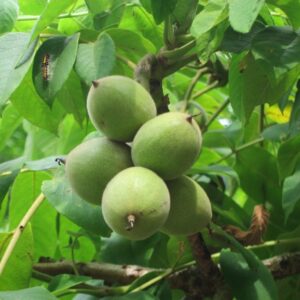
the fruit — small, red, oblong drupes resembling cherries — ripen from late summer into fall. when eaten fresh they are sharply tart, but with full ripening or processing they develop a deep, winey sweetness. rich in vitamin c, antioxidants, and pectin, they are used in syrups, preserves, juices, wines, and dried much like barberries. from turkish sharbat to georgian sauces and ukrainian preserves, cornelian cherry has left its mark on traditional cuisines across a vast region.
beyond its fruit, cornelian cherry brings ornamental and ecological gifts. among the very first trees to bloom in spring, it covers itself in clusters of small yellow flowers that provide early nectar and pollen when little else is awake. the glossy green leaves turn reddish-purple in fall, while the fruit is relished by birds and small mammals. dense, twiggy growth offers nesting habitat, and the species is remarkably hardy, long-lived, and tolerant of poor soils or urban conditions.
cornelian cherry also yields one of the hardest, densest woods in europe. the fine-grained timber was traditionally used for tool handles, wedges, and other homestead implements where strength and shock-resistance mattered. its toughness is legendary — alexander the great’s macedonian cavalry were known to carry spears of cornel wood, prized over their persian opponents’ flimsier javelins.our seedlings descend from named orchard selections, carrying the lineage of cultivated forms long prized for their fruit quality.
planting notes
- height: 15–25 ft (small tree or large shrub)
- spread: 15–20 ft
- soil: adaptable; prefers well-drained soils
- light: full sun to part shade
- fall color: reddish-purple
- growth: moderate; very long-lived
- wildlife: fruit for birds and mammals; early pollen/nectar for pollinators
Reviews
There are no reviews yet.