


these chinese chestnuts come from a timber-form breeding line, selected for tall, straight, fast-growing trunks. the result is a hardy hardwood tree with both ecological and silvicultural value — a chestnut designed to reclaim its role as a timber giant.
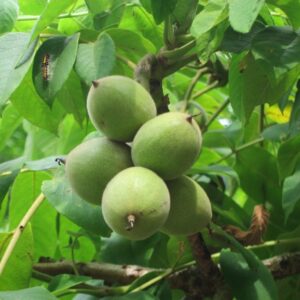
The nuts themselves are sweet and delicious.
chinese chestnuts are naturally resistant to chestnut blight, the disease that devastated american chestnut populations in the early 20th century. timber-form lines combine that resistance with strong form, producing trees suitable for lumber, shade, or long-term agroforestry projects.
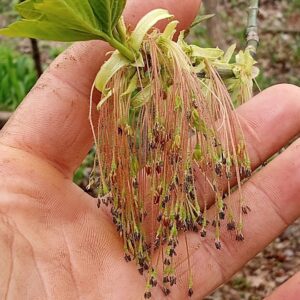
ornamentally, chestnuts are handsome trees: long, serrated leaves with a glossy sheen, catkin blooms in summer that attract pollinators, and warm golden fall color. while these seedlings may still produce nuts, their true strength is in their stature and resilience.
ecologically, chestnuts play an important role as mast trees. even smaller crops feed deer, turkeys, squirrels, and other wildlife. the trees are fast-growing, adaptable to a range of soils, and tolerant of heat and drought once established.
planting notes
-
height: 50–80 ft
-
soil: prefers well-drained, slightly acidic soils; dislikes poorly drained clays
-
light: full sun
-
fall color: golden yellow
-
growth: fast; timber form selection for straight trunks
-
wildlife: occasional nut crops for deer, turkeys, and squirrels; catkins attract pollinators
Reviews
There are no reviews yet.