

american plum is one of our favorite native fruit trees: rugged, thorny, suckering, and capable of producing tremendous crops of genuinely excellent plums. the fruit is somewhat smaller than the large asian plums found in grocery stores, but wonderfully juicy and, in our opinion, considerably more flavorful. ripe fruit can be eaten straight from the tree or used for preserves, pies, sauces, and anything else that calls for plums.
our seed comes from wild trees growing on a clay hillside in central new york. these parent trees were remarkably consistent bearers, often loaded with fruit. in our experience, this particular population also flowers late enough to escape many of the spring frosts that regularly damage asian plum cultivars growing nearby. these are seed-grown wild genetics rather than a named cultivar, so variation between individual seedlings should be expected.
american plum naturally grows as a large shrub or small tree and readily suckers into colonies. it tolerates a wide range of soils, including clay, and is well suited to food forests, edible hedgerows, wildlife plantings, field edges, and naturalized orchards. its thorns and tendency to spread should be considered when choosing a site — but in the right landscape, those traits are part of what makes the species so useful.
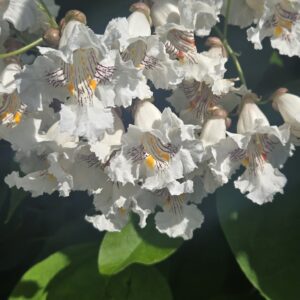
a mature plum thicket is also habitat. the dense, thorny growth provides nesting and protective cover for birds and shelter for other wildlife, while the fruit is eaten by numerous birds and mammals. deer and rabbits browse the young growth, and the masses of white spring flowers provide nectar and pollen for visiting insects.
for us, american plum sits right at the intersection of native habitat planting and serious perennial food production: beautiful spring bloom, abundant wildlife value, resilient wild genetics, and a human fruit crop good enough to deserve a place in the orchard.
Reviews
There are no reviews yet.