

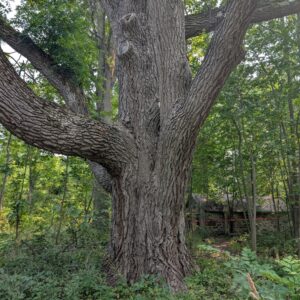
honey locust is a tough, fast-growing native shade tree with a unique character. native to central and eastern north america, it thrives in a huge range of soils — from river bottoms to dry uplands — and is widely planted in cities for its resilience. our seedlings come from a street tree seed source, carrying that same urban hardiness forward.
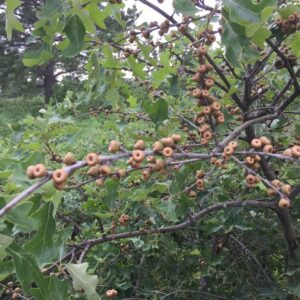
honey locust pods are sweet and versatile — the pulp has been eaten fresh, brewed into teas, or used in traditional remedies for coughs and digestion. they are equally valued in silvopasture systems, where livestock readily consume the pods as a natural forage. this dual role as both a human and animal food source makes honey locust a classic multipurpose tree. in the wild, these pods were once eaten and dispersed by now-extinct megafauna such as mastodons, giant ground sloths. today, deer, squirrels, rabbits, and livestock relish them.
ornamentally, honey locust has a light, airy crown of finely divided leaflets that cast dappled shade, making it one of the most garden-friendly large trees. in autumn, the foliage turns clear yellow before dropping in delicate layers that break down quickly, enriching the soil without heavy raking.
honey locust is famous for its thorns — an ancient defense that evolved to ward off mastodons and other creatures that fed on its fruit- these thorns can be striking, branching spines several inches long, sometimes forming dramatic clusters on trunks and limbs. our seedlings come from a thornless street tree parent, so many will remain smooth, but there is still a chance a few may produce thorns. whether thornless or armed, all carry the same toughness, rapid growth, and wildlife value.
planting notes
-
height: 50–80 ft
-
soil: thrives in a wide range; drought- and flood-tolerant
-
light: full sun
-
fall color: clear yellow
-
growth: fast; long-lived
-
wildlife: pods feed deer, squirrels, rabbits, livestock; flowers attract bees
Reviews
There are no reviews yet.