


american hazelnut is the native wild hazelnut of the northeast — a tough, adaptable shrub that thrives on poor, sandy soils and still produces abundant crops of small, sweet nuts. our seedlings come from wild stands in the pine barrens, where summers are hot, winters are cold (zone 4b or colder), and the soils are as lean and dry as they come. this makes them exceptionally hardy, drought-tolerant stock, selected by nature to handle stress.
these shrubs typically reach 6–10 feet tall, spreading by suckers to form thickets that provide both food and shelter for wildlife. clusters of nuts ripen in late summer, held in leafy husks. while the nuts are smaller than hybrid or european types, they are intensely sweet and excellent for fresh eating, roasting, or grinding into flour.
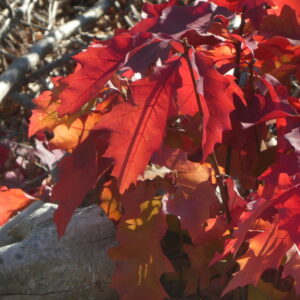
ornamentally, american hazelnut is understated but handsome. round, serrated leaves turn orange to red in fall. in late winter, long golden catkins dangle from bare stems, offering one of the earliest pollen sources for bees. in the landscape, they make excellent natural screens, hedges, and wildlife borders.
ecologically, few shrubs do more. hazelnut thickets provide dense cover for songbirds, browse for deer, and heavy mast crops for squirrels, turkeys, grouse, and other wildlife. their ability to grow in sandy, rocky, or poor soils makes them perfect for restoration, erosion control, and homestead edges where tougher shrubs are needed. anyone interested in breeding better hazelnuts for food production should consider having some wild type shrubs around. This population provides an invaluable genetic reservoir to keep the absolutely rugged character of these food producing shrubs alive.
planting notes
height: 6–10 ft (multi-stem shrub)
spread: suckering, forms thickets
soil: thrives on dry, sandy, or rocky soils; very adaptable
light: full sun to part shade (better nut set in sun)
fall color: orange to red
growth: fast, hardy, highly resilient
wildlife: early pollen for bees, nuts for turkeys, squirrels, and grouse; thicket cover for birds and small mammals
Reviews
There are no reviews yet.