

american cranberrybush viburnum is one of the great multi-purpose native shrubs — handsome in the garden, generous in fruit, and beloved by wildlife. our seedlings are grown from seed collected along the banks of the st. lawrence river in northern new york, where wild stands produce heavy crops of bright red berries.
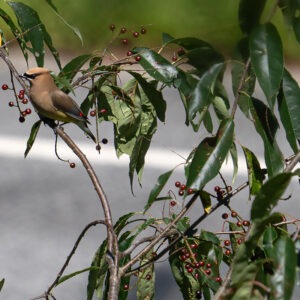
in spring, flat clusters of white blossoms attract pollinators and light up the hedgerow. through summer, the shrubs build into dense, leafy cover, perfect for nesting songbirds. by late summer into fall, the fruit ripens to vivid scarlet clusters, held well into winter. these berries are a feast for wildlife — turkeys, grouse, and waterfowl relish them, often stripping shrubs clean. for landowners, planting viburnum along field edges or wet corners can be a simple way to establish a feedlot for turkeys and ducks.
humans have long prized the fruit too. though tart raw, it sweetens after frost and was traditionally dried and mixed into pemmican as a high-energy food for hunters. the fruit can also be cooked into jams, sauces, and preserves, offering both nutrition and heritage value.
ornamentally, v. trilobum is one of the best viburnums. its spring bloom, scarlet fruit clusters, and bronzy-red fall foliage provide interest in every season. tough and adaptable, it thrives in moist soils along rivers and lowlands but also grows well in upland gardens with decent moisture.
planting notes
height: 8–12 ft
spread: 8–12 ft, dense and rounded
soil: prefers moist soils; tolerates a wide range once established
light: full sun to part shade
fall color: bronzy-red
growth: moderate; long-lived shrub
wildlife: fruit eagerly eaten by turkeys, grouse, and waterfowl; flowers for pollinators; dense cover for nesting
Reviews
There are no reviews yet.